
LOAM AI LABS
A premier AI studio building autonomous agents to solve the interoperability problem in major transactions.
We design agent systems that act on behalf of humans — coordinating identity, data, and workflows across fragmented ecosystems.
OUR FIRST LAB PRODUCT
Enables autonomous land acquisition in agriculture — with agents operating on verified human identity.
The AI Infrastructure for Land.
Autonomous, parcel-level intelligence powered by a foundational land context graph.
300 Acres Secured in 15 Minutes
Frontier AI for Land Intelligence
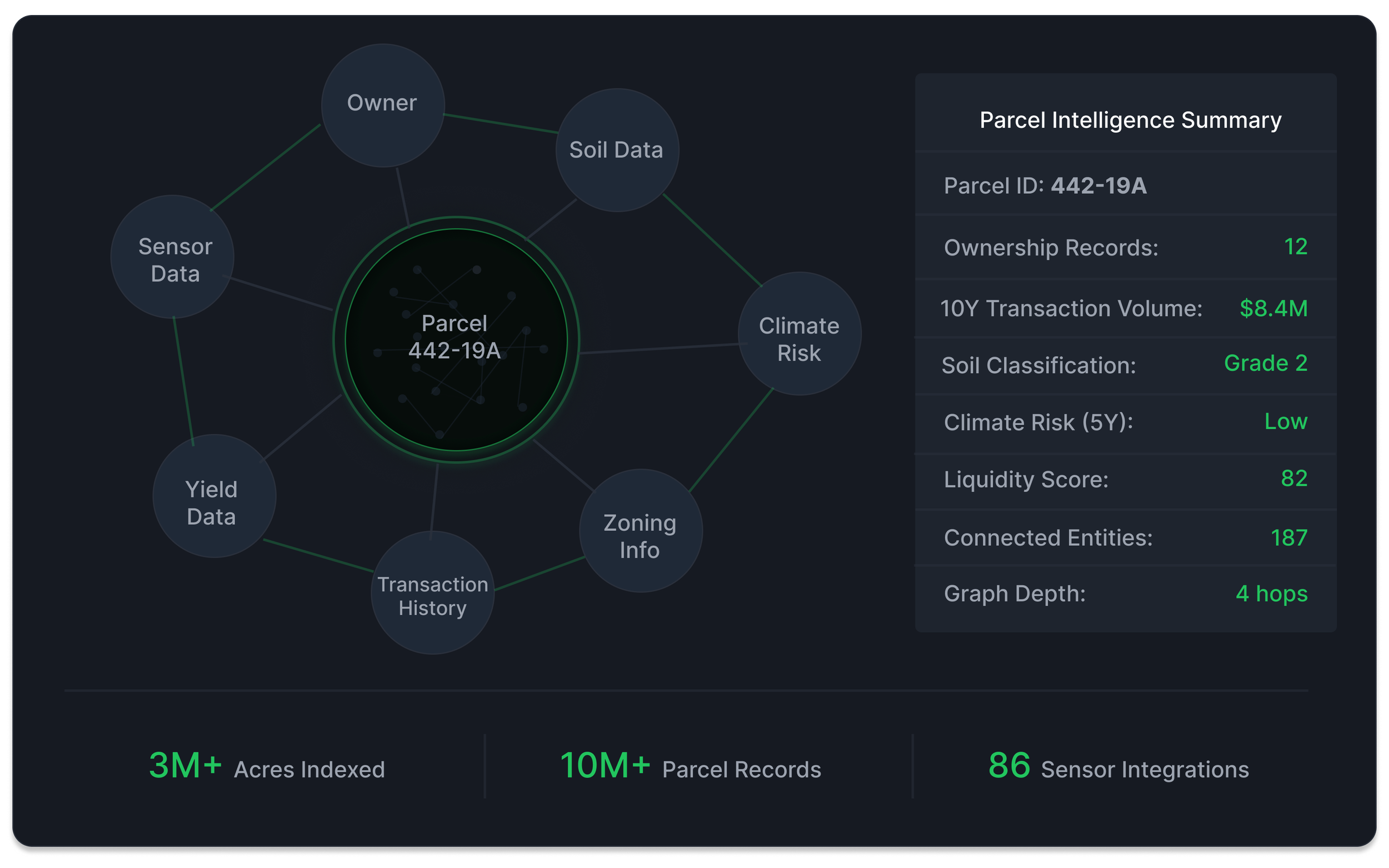
The Land Context Graph
Structured parcel-level intelligence across ownership, soil, climate, yield, zoning, and transaction history.
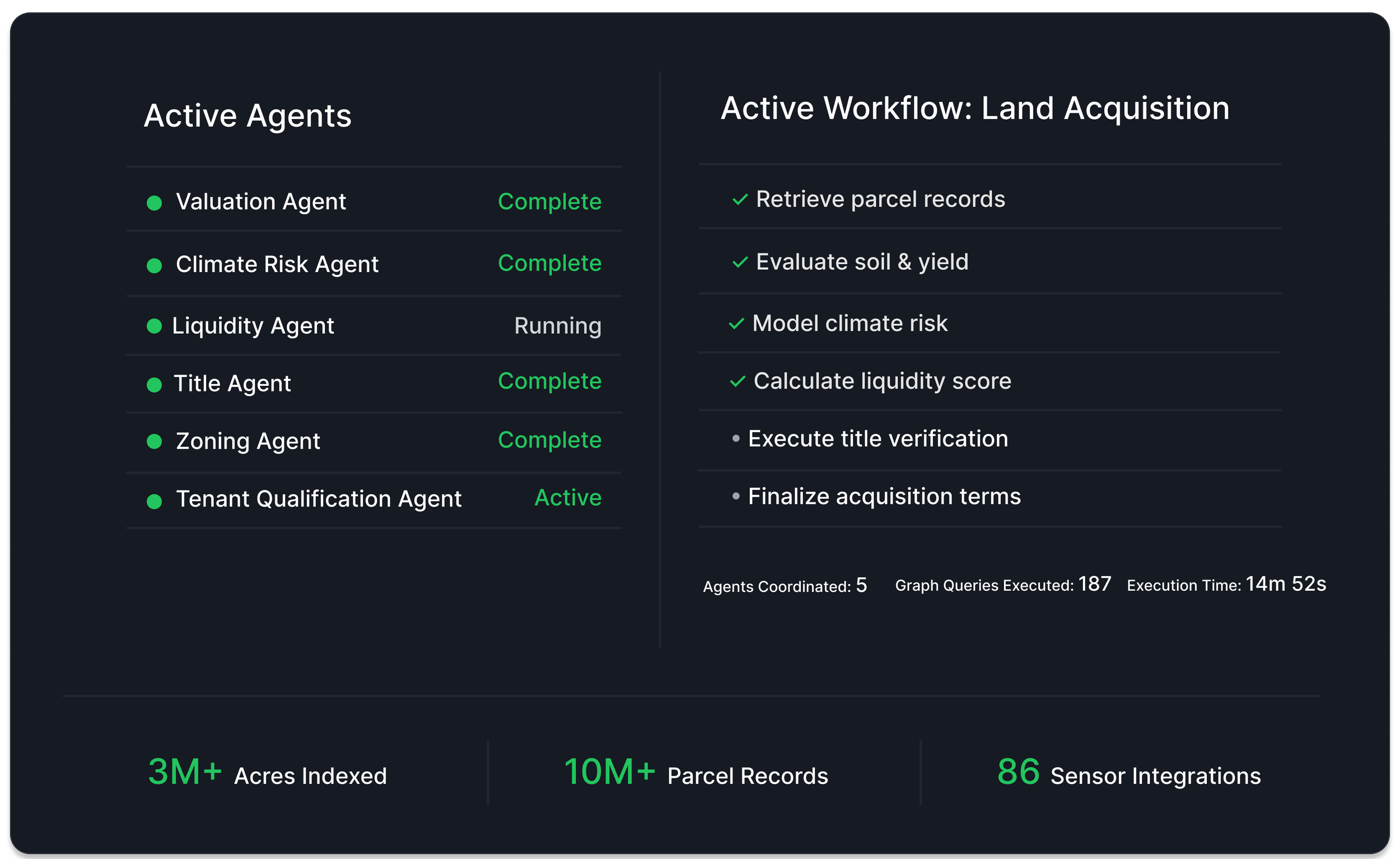
Multi-Agent Execution Layer
Specialized reasoning agents coordinate across the land context graph to autonomously execute complex workflows.
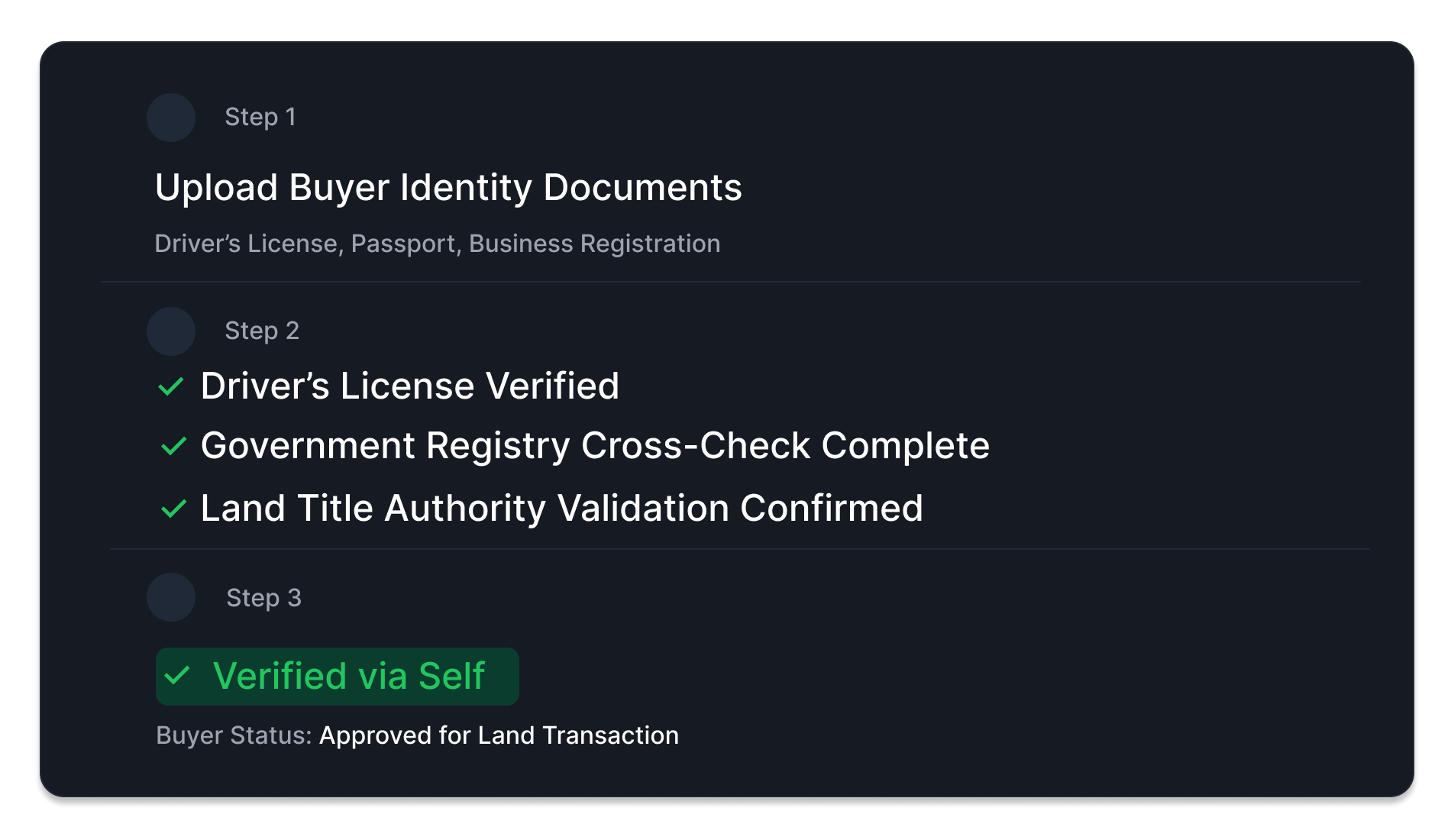
Secure Identity Verification with Self
Government-grade document verification for compliant land purchases.
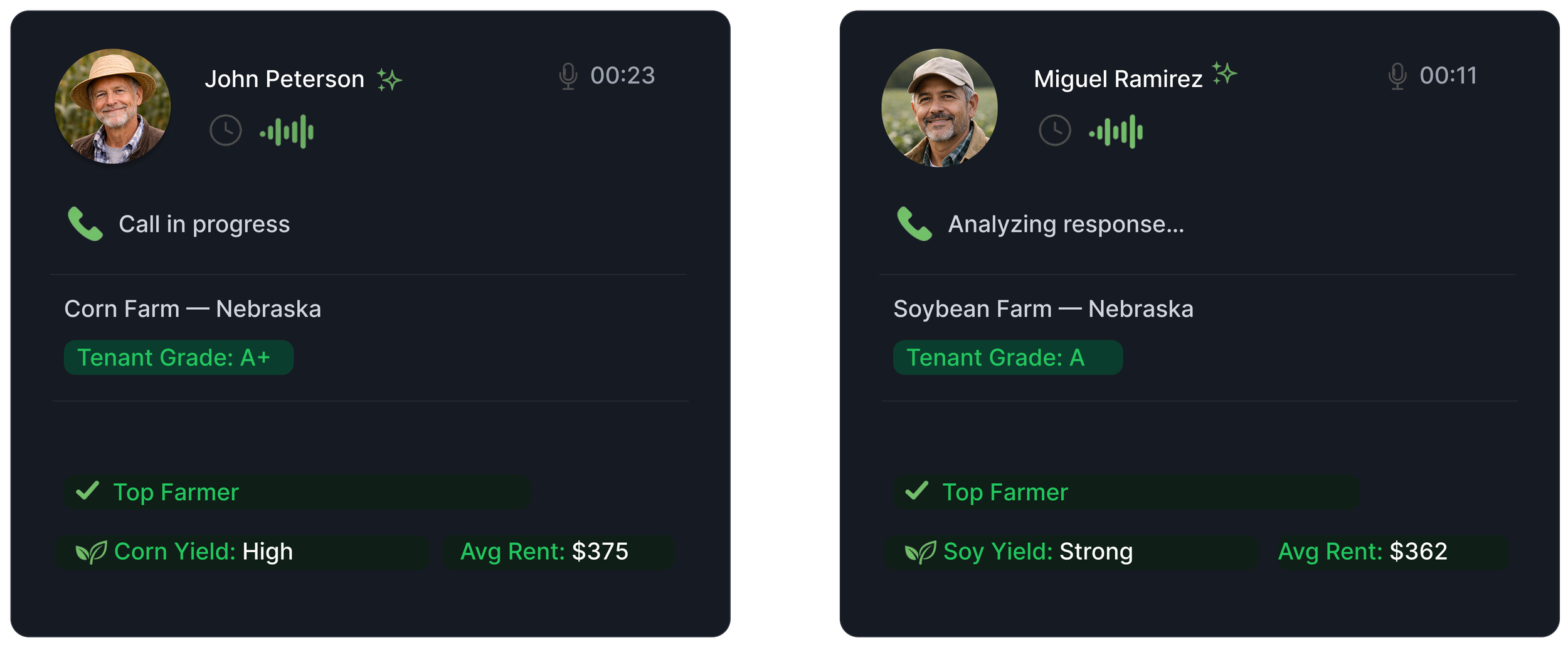
AI Tenant Finder for Land
Autonomous voice agents proactively identify, qualify, and score high-quality farm tenants in real time. By combining live outreach with performance and yield intelligence, Land AI transforms tenant sourcing into a scalable, data-driven workflow.
Skills
Skills are the databases we connect to and the actions our agents execute across the land lifecycle.
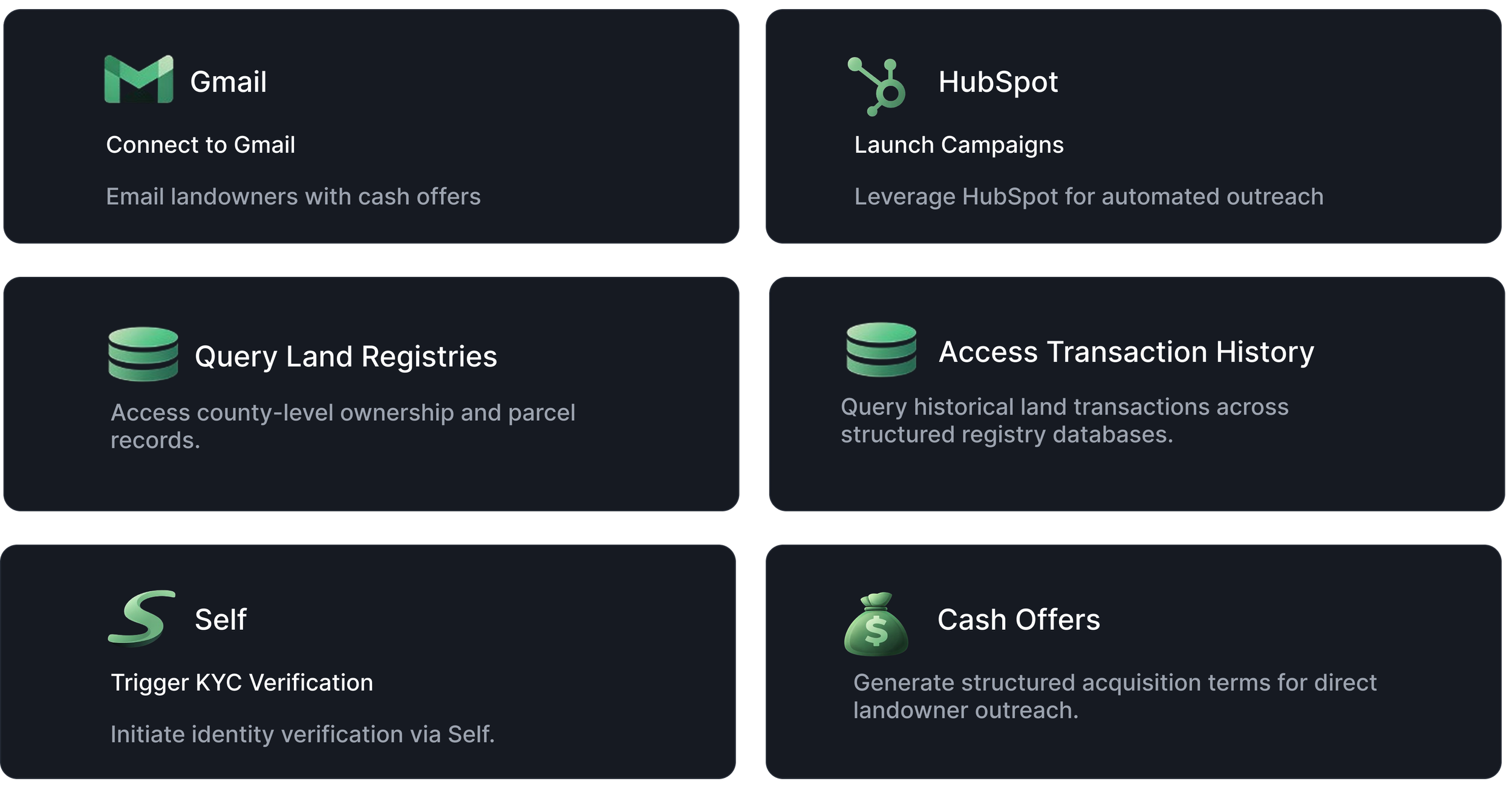
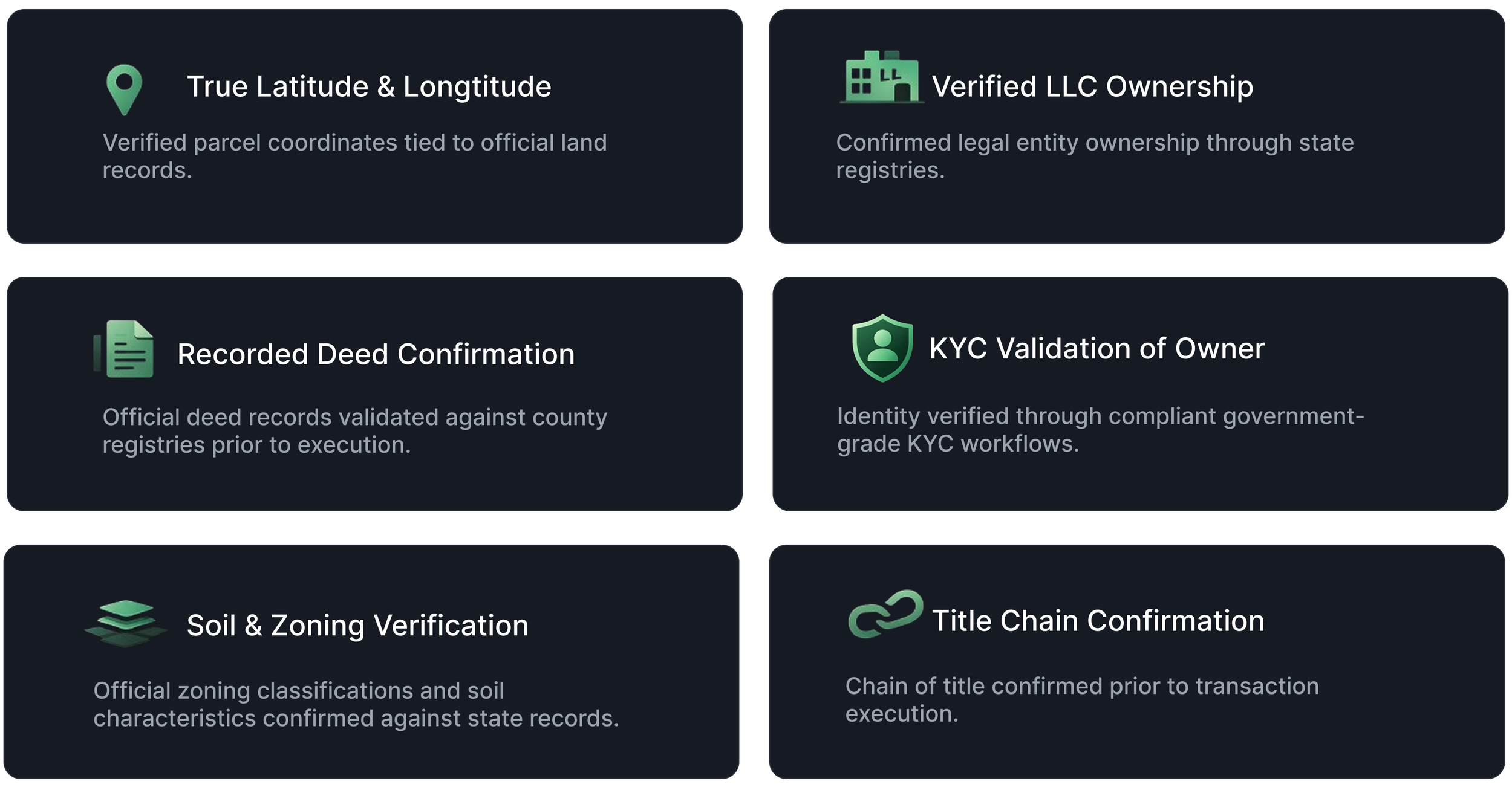
Proofs
Verified, factual representations of the land and entities involved in each transaction.
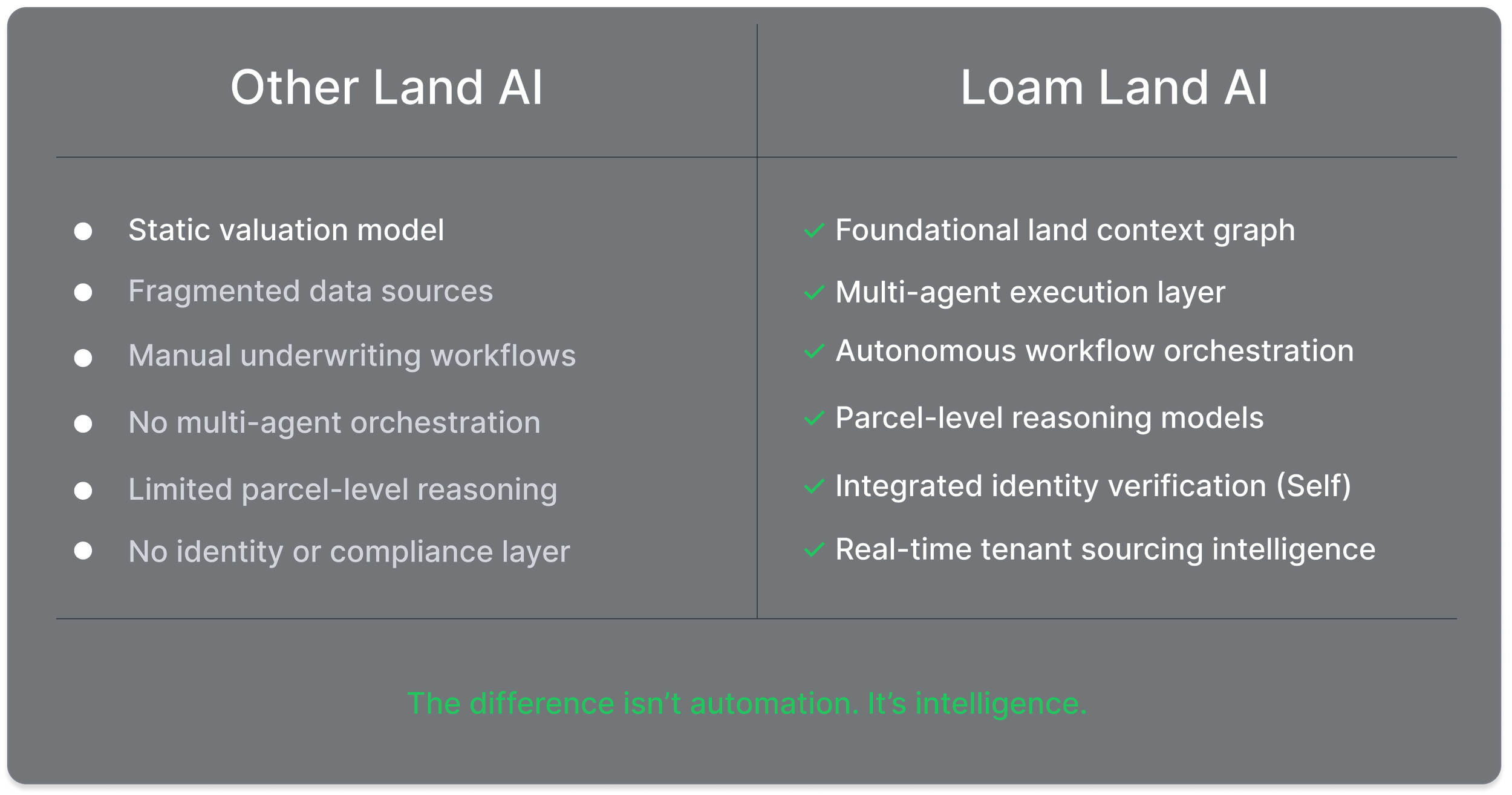
Why Traditional Land AI Falls Short
Most land platforms provide static analytics. Loam builds autonomous, context-aware intelligence.
Farm field reasoning at your fingertips
Ask any question about a parcel. The model retrieves verified context, connected data sources, and available skills — then reasons across them.
Building the world’s first small language model for each farm field.
Land is fragmented, opaque, and under-modeled.
We are training domain-specific reasoning systems on structured land context graphs — enabling parcel-level intelligence at scale.
Each farm field becomes its own intelligence unit.
Parcel-level reasoning
Context-aware land models
Multi-agent orchestration
Autonomous land workflows